Research Studies
Ongoing Studies
Edited Magnetic Resonance Spectroscopy of the Pediatric Brain (PedsMRS) Study
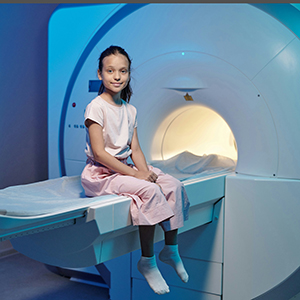
This study involves a one-time, 1-hour MRI scan to create detailed images of the brain in children from birth to 7 years and 11 months old. For babies under 2 years, the scan is done during natural sleep with parents present and no sedation used. Children aged 2 to 7 years and 11 months will first go through a mock scan to answer all their questions and help them feel comfortable before undergoing the real MRI. They can listen to music or watch movies. MRI is safe, painless, and uses no radiation. Participation is voluntary, and families will receive $150 in cash per session.
Healthy Brain and Child Development (HBCD) Study
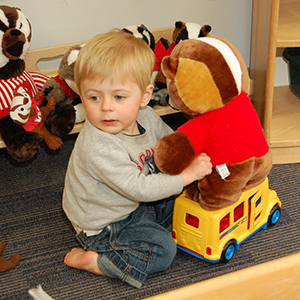
The HBCD Study will enroll approximately 7,500 participating families from across the United States and follow them and their children through early childhood. We want to understand how the brain develops and is affected by exposure to substances and other environmental conditions during pregnancy and after the baby is born. During these visits, you will be asked to complete interviews and questionnaires. In addition, you and/or your child will be asked to:
- Provide samples, such as blood (birth parent), urine and saliva (birth parent and child)
- Participate in behavioral assessments
- Wear activity and heart rate trackers for brief periods of time
- Undergo safe, non-invasive methods that provide pictures of your child’s brain and measure their brain activity
- Allow us to collect growth measurements
- Provide information about your child’s social, emotional, and cognitive development

BuILD Study (Brain Imaging and Language Development in Infants with Down Syndrome)
The Developing Brain Imaging Laboratory at the Waisman Center is recruiting parents of children with Down Syndrome who are between 1 and 24 months old. We would like to invite you and your child to participate in a study to learn more about brain and language development during the first two years of life.
Neuroimaging Methods to Assess Brain Development
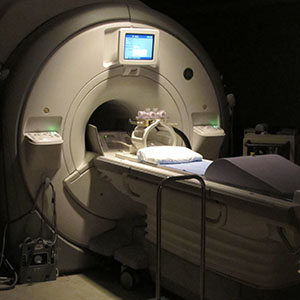
The Neuroimaging Methods to Assess Brain Development study aims to develop brain imaging techniques that will be used in a future, large-scale study focusing on how different experiences and/or exposures influence early brain development. The study is being conducted at the University of Wisconsin–Madison and is funded by the National Institute on Drug Abuse.
Previous Studies
Brain Imaging of Baby Siblings (BIBS) Study
The primary goal of the BIBS study is to determine how differences in brain structure and function develop in autism (ASD) over the course of infancy and early childhood. We hope to learn how these differences develop by following the brain development of children with an older sibling with an ASD diagnosis and children without a family history of ASD. The study is being carried out at the University of Wisconsin–Madison, with funding provided by the National Institutes of Mental Health.